7 Tips for Ice Fishing Lake Granby, Colorado
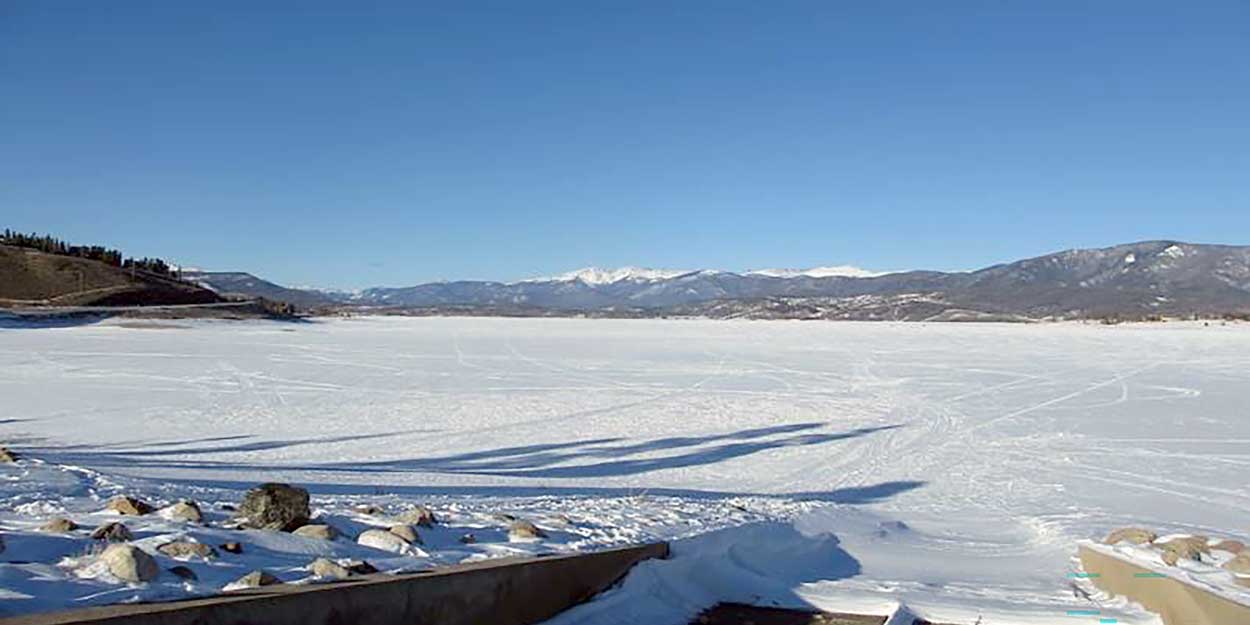
Just a couple hours northwest of Denver, Lake Granby transforms each winter into a frozen playground for anglers chasing monster lake trout, kokanee salmon, and rainbow trout beneath the Rockies’ snow-covered peaks. At 8,300 feet above sea level, the air’s thinner, the mornings sharper, and the reward—hauling a fish through a perfectly drilled hole—hits like nothing else.
Whether you’re a first-timer lacing up for your inaugural trip or a seasoned open-water angler trying hardwater for the first time, these seven tips pack everything you need: local rules, real-world pro advice, and that unshakable Eagle Claw spirit that keeps us all fishing year-round.
Tip 1: Know the Rules Before You Drop a Line
The beauty of Granby is matched only by how strictly it’s managed to preserve that fishery. Start smart:
Licensing & Regulations
-
Fishing License: Anyone 16 or older needs a valid Colorado fishing license. You can grab one online at CPW’s website or from local vendors in Granby, Fraser, or Grand Lake.
-
Season: Licenses run March 1 – March 31 (13 months). Don’t wait for the drive up to renew yours.
-
Bag Limits:
-
Lake trout (mackinaw): 12 per day, only one may exceed 24 inches.
-
Other trout + kokanee: 4 fish aggregate per day.
-
-
Gear Rules: Ice shelters must be portable. Gaffs and tail snares are prohibited.
-
Area Management: Lake Granby lies inside the Arapaho National Recreation Area (ANRA), part of the U.S. Forest Service. Parking at boat ramps or day-use lots requires an ANRA pass (day or annual; available on Recreation.gov).
Vehicle & Machine Restrictions
-
Snowmobiles and ATVs under 1,000 pounds (with rider & gear) are permitted on the ice when conditions allow. Full-size trucks? Absolutely not.
-
Park only in designated, plowed lots—tickets happen fast up here.
Tip 2: Respect the Ice – Safety Is Everything
Every winter, locals repeat the same mantra: the fish will wait; the ice won’t.
Conditions at 8,000 feet can flip overnight. Here’s how to stay upright and alive.
Safe Ice Guidelines
-
Wait until there’s at least 4–6 inches of clear, solid ice before walking or drilling. Early-season ice near inlets, dam faces, or wind-exposed bays is notoriously sketchy.
-
Use a spud bar to probe each step and a hand auger to double-check thickness as you go.
-
Ice picks, cleats, throw rope, and flotation vest—non-negotiables.
-
Never fish solo. Bring a buddy, or at least share your float plan and ETA with someone onshore.
Reading the Lake
-
Avoid pumping-plant channels, Columbine Bay, and Deer Island currents—these zones shift daily.
-
Pressure ridges form where wind pushes slabs; listen for cracks, watch color changes.
-
Clear “blue” ice is usually stronger than white snow ice, but the sheen can hide fractures.
Real-Angler Wisdom
Many Colorado hard-water vets stress staying mobile and aware: “Check every 10 yards early season. The guy who spuds the most, fishes the longest.” It’s the simplest insurance policy you’ll ever carry.
Tip 3: Dress Like You Mean It – High Altitude Cold Is No Joke
Granby’s mornings can hit -10 °F with windchill that burns skin in seconds. Comfort equals endurance.
Layer Strategy
-
Base Layer: Moisture-wicking thermal (synthetic or merino).
-
Mid Layer: Insulated fleece or light down.
-
Shell: Windproof, waterproof jacket and bibs.
-
Extremities: Neoprene gloves, wool socks, insulated boots with cleats.
-
Extras: Balaclava, sunglasses (glare off snow blinds fast).
Heat Management
-
Keep moving; drill a few holes, check the flasher, walk to your tip-ups.
-
Use chemical hand-warmers inside gloves or pockets.
-
A small portable propane heater inside a flip-over shelter turns misery into comfort—just ventilate properly.
Tip 4: Gear Up & Think Small – Winter Fish Are Slow
When the lake locks up, fish metabolism drops. That monster mackinaw that chases a five-inch tube in July now barely twitches. Downsizing is the name of the game.
Granby Go-To Setup
-
Rods/Reels: 24–30″ medium-light ice rods with smooth drag reels.
-
Line: Braid main (10-15 lb) + 4–6 ft fluoro leader (8–15 lb).
-
Jigs: 3–5″ tube jigs in white, olive, or brown tipped with sucker meat—Granby gold.
-
Small stuff: 1/32–1/16 oz glow jigs for rainbows and kokanee.
-
Tip-Ups: Use live suckers or minnows 5–10 ft below the ice; space them in a semi-circle around your main hole.
-
Electronics: A flasher or sonar is a must-have here—Granby fish love to follow and study your bait before committing.
Presentation Tips
-
Start at 30–40 ft, then probe 50–70 ft until you mark fish.
-
Lift-drop cadence: two short hops, one long lift, then pause 5–10 seconds.
-
Watch for mid-column chasers; often the bigs rise to meet the jig halfway.
-
Change colors before changing holes—it’s faster than relocating.
Veterans agree: “If you’re not marking in 20 minutes, move.” Granby’s vast – mobility is your best lure.
Tip 5: Find Structure & Access the Right Way
With 40 miles of shoreline, picking a starting point matters. Here’s where locals park and fish.
Prime Parking Lots
-
Sunset Point Boat Launch (County Road 6) – large, plowed, and the go-to contest lot.
-
Cutthroat Bay (County Road 64) – north-shore access; great for mid-lake humps.
-
Stillwater Boat Ramp (US-34) – close to Granby town; fills early.
-
North Shore Marina – check winter status; sometimes limited access.
All of these require ANRA day or annual passes displayed on your dash.
Productive Zones
-
Dike #3 & adjacent flats: consistent lake-trout action.
-
Deep basins off Sunset Point: 50-70 ft depths hold bigger macks mid-season.
-
Weed edges near inflows: rainbow and kokanee territory.
-
Shallows early/late ice: when oxygen spikes, fish move up.
Access Notes
Snowmobile or walk-in routes shift each winter—always verify with Forest Service updates before heading across bays.
Tip 6: Timing, Weather & Technique – Read the Season
Ice conditions on Granby usually stabilize by mid-December, hit peak thickness January – March, and start to soften in April. The trick is fishing each phase differently.
Early Season (Dec–Jan)
-
Thin ice; light gear.
-
Fish shallow (10–25 ft).
-
Big lake trout patrol the flats—stealth counts.
Mid Season (Feb–Mar)
-
Best combo of safety & activity.
-
Fish shift deeper (40–70 ft).
-
Stable ice = more crowds—spread out.
Late Season (Apr)
-
Afternoon slush, rotten ice near shore.
-
Trout feed heavier as light increases—go early a.m.
-
Never trust edges; spud constantly.
Wind Watch
Granby’s wide basin builds its own weather. Gusts > 25 mph can move snow drifts or crack ice.
Veteran advice: “If whitecaps are forming on the ridge while you’re still on ice—time to go.”
When Fish Feed
-
Prime windows: dawn – 10 a.m. and 3 – 5 p.m.
-
Midday lulls? Use that time to scout, re-drill, refuel, or just soak in the view.
Tip 7: Master the Experience – Beyond the Catch
At its core, ice fishing Granby is about connection—to nature, to the moment, to the people beside you drilling holes in sub-zero wind. This is where the love of fishing transcends the rod.
Stay Fueled & Focused
-
Bring a thermos of hot coffee or broth and high-calorie snacks (jerky, nuts, granola).
-
Altitude + cold drains energy fast; hydration prevents mental slips on slick ice.
Fish Care & Stewardship
-
Wet hands before handling trout.
-
Keep barbless hooks if you plan to release.
-
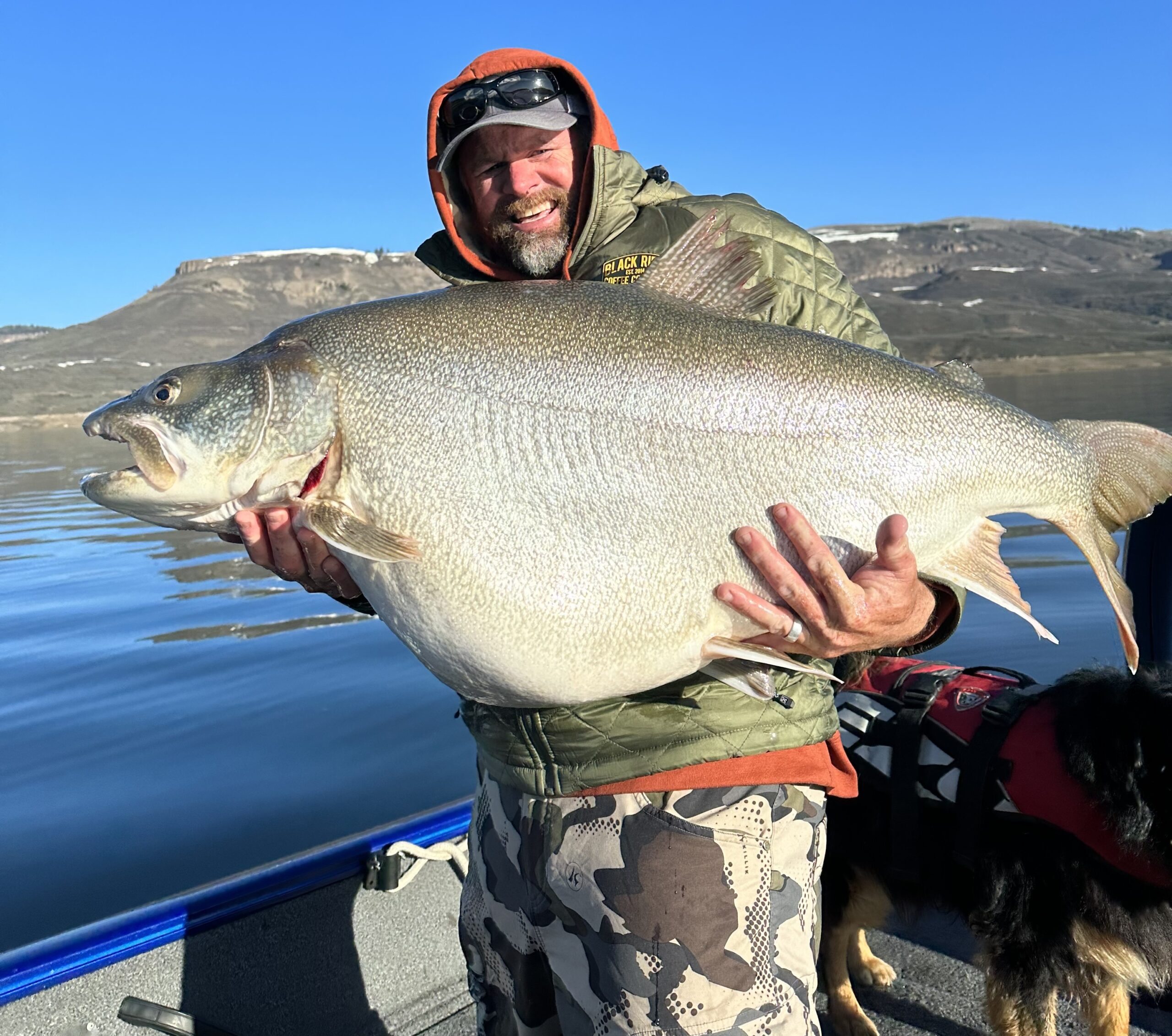
Limit photo time—get that quick Eagle Claw grip-and-grin and send them home strong.
Local Etiquette
-
Drill holes 20 ft apart minimum.
-
Yield space to early-arrivers.
-
Pack out everything—no trash, no line bits.
Warming Up Afterward
Nothing beats ending a session at a warm local spot:
-
Grand Lake Lodge or Sagebrush BBQ & Grill for food.
-
Hot soup and gear-drying at your cabin = pure satisfaction.
Seasoned wisdom: “Cut your session short, not your circulation.”
Why Granby Belongs on Every Angler’s Winter List
Lake Granby combines accessibility, scenery, and trophy potential in a way few Western reservoirs can match. On one day, you might land a 24-inch rainbow glowing under clear ice; the next, a ten-pound laker from 60 feet down. Add the mountain quiet, the crackle of auger blades, and the satisfaction of fishing where generations of Coloradans have braved the cold just for that moment when line meets life—and you’ll understand why it’s addictive.
At Eagle Claw, we fish for love—the thrill of learning, the patience, the peace. Granby embodies that ethos.
Respect the lake, prep the right way, stay humble before the elements, and you’ll walk off the ice richer in memories (and maybe dinner).
editor's pick
latest video

news via inbox
Nulla turp dis cursus. Integer liberos euismod pretium faucibua