Anatomy of a Fish Hook – What Makes a Fish Hook?
A fish hook may seem simple at first glance. However, over hundreds of years, anglers and manufacturers have refined hooks to serve many specific purposes. As a result, modern fish hooks come in a wide variety of shapes and configurations.
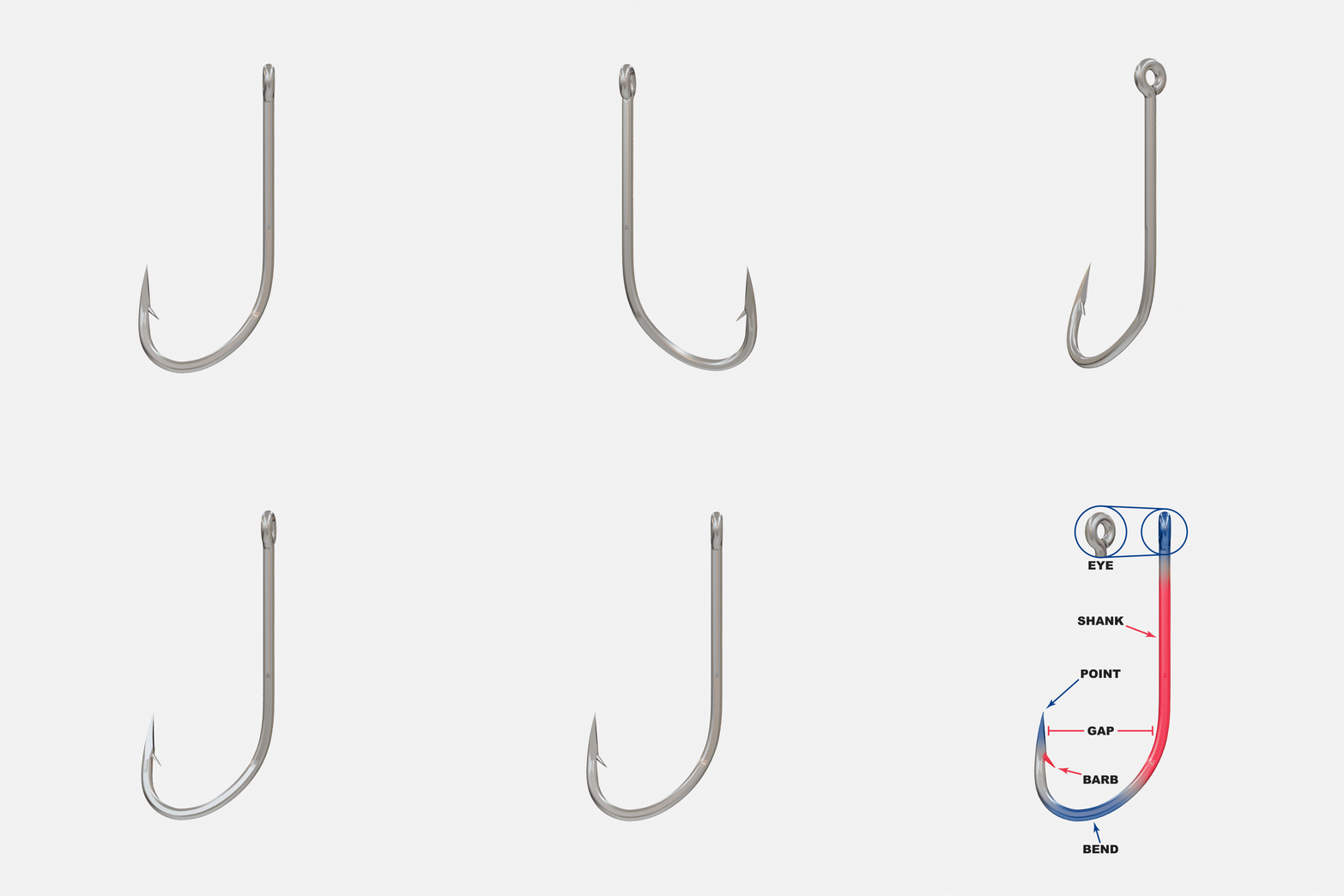
At its core, every fish hook consists of a set of basic attributes. Each attribute offers variations that deliver specific benefits on the water. Therefore, understanding these components helps anglers choose the right hook for each situation.
Basic Hook Attributes
The foundational parts of a fish hook include:
Below, you will find a breakdown of each attribute. Additionally, you can explore linked resources for more detailed information.
Hook Eye
Choosing the Right Hook Eye for Fishing Success
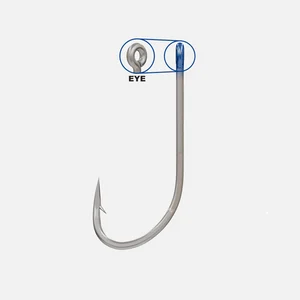
The hook eye allows fishing line to attach to the hook. At its most basic, it is a loop onto which fishing line can be tied. Many variations of this basic feature exist, including different eye orientations and leg styles.
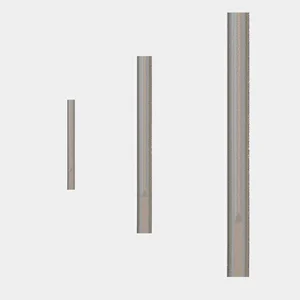
The metal wire used to make the hook helps define its strength, in conjunction with whether it is forged or unforged (see shank). Light, medium, and heavy wire hooks each have specific use cases where they excel.

Hook Shank
The shank is the length of metal from the hook eye (or leg) to the point where the hook begins to bend. Shank configurations include forged and unforged options, different lengths, and, in some cases, features designed to secure baits, such as slices or bait keepers.
Hook Bend
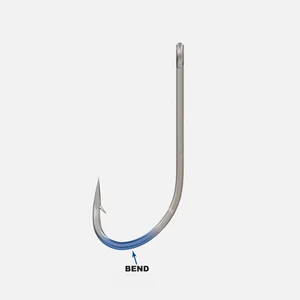
The bend is the curved radius at the base of each hook. In some hooks, the bend is harder to distinguish from the shank, as the hook curves gradually from the eye. The bend is one of the most important hook features, with variations designed to improve bait security or to hook fish in specific locations to reduce unnecessary mortality.
Hook Point
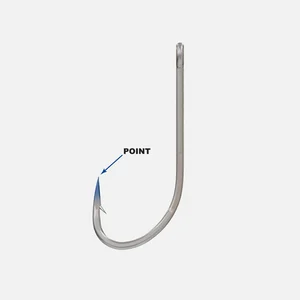
The hook point should not be overlooked. It is the business end of the hook, and sharp points can mean the difference between landing or losing a fish. Different hook point styles allow anglers to fine-tune sharpness and shape to meet their specific needs.
Hook Barb
Different Types of Hook Barbs
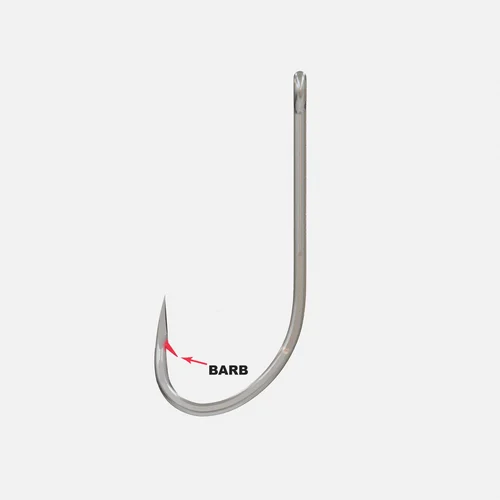
Hooks either have a barb or are barbless. A barb is a small, triangular piece of metal extending from the tip of the hook point. It allows a fish to slide onto the hook easily, while its blunt edge helps prevent the fish from sliding back off.
Hook Gap
What Fish Hook Gap Do You Need
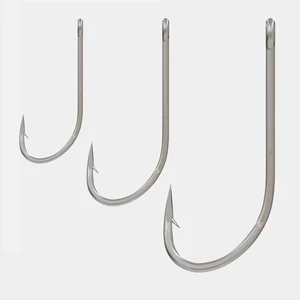
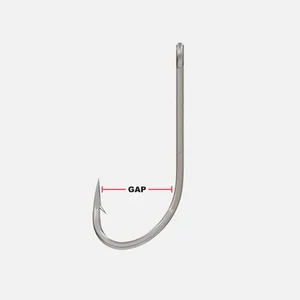
A hook’s gap is measured perpendicularly from the hook point to the shank. Variations in gap width can allow for weedless presentations, where the hook point is embedded in soft plastics, or keep the hook point closer to the shank for improved hook-setting performance.
Hook Throat
The hook throat is the area between the hook point and the shank, extending down to the bend of the hook.
Finish
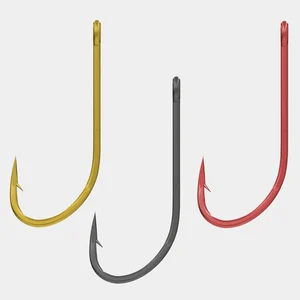
Hooks can be finished with many different platings or coatings to increase durability, protect against rust and dulling, or enhance presentation to target species.