What Fish Hook Gap Do You Need?
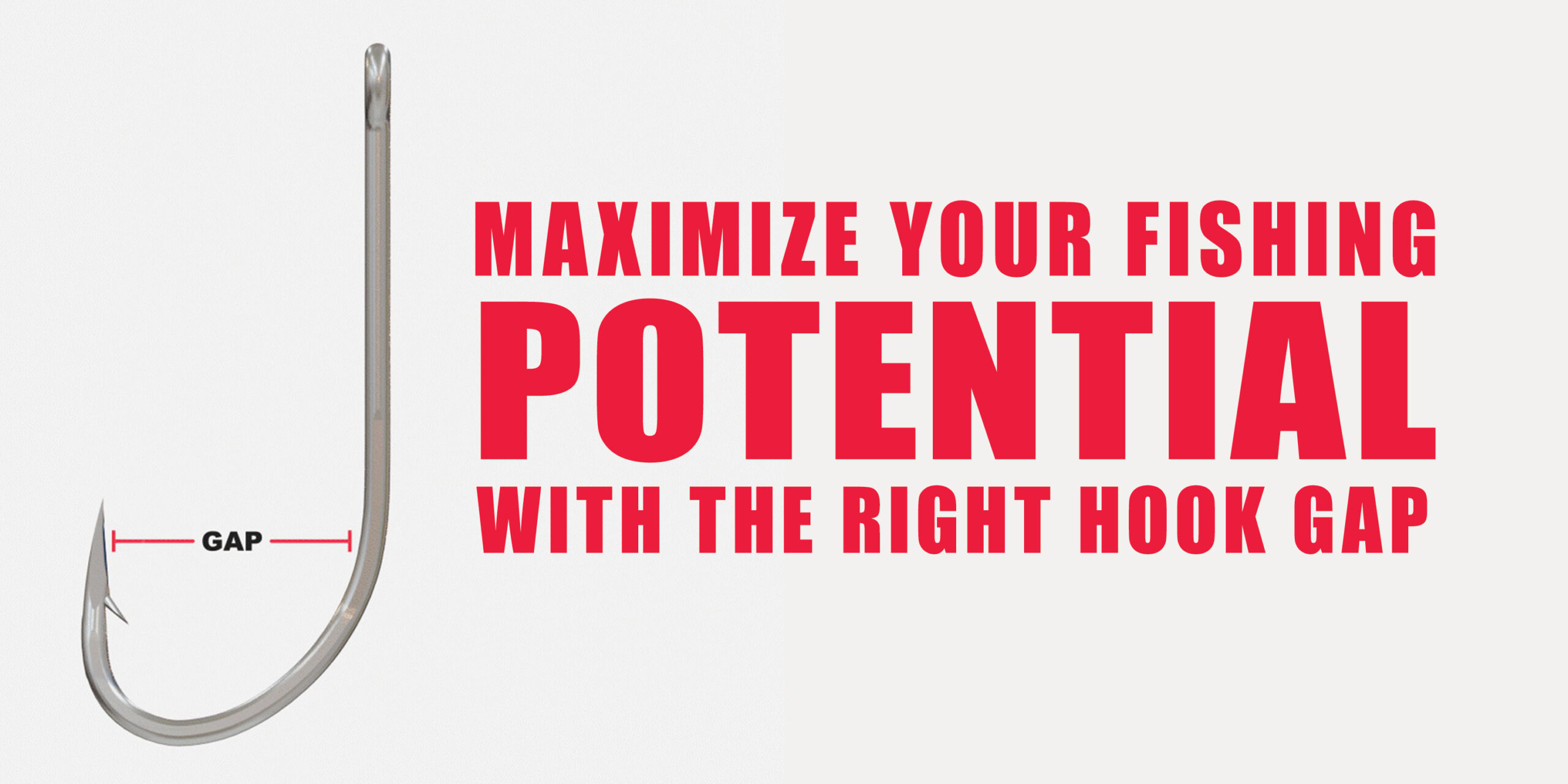
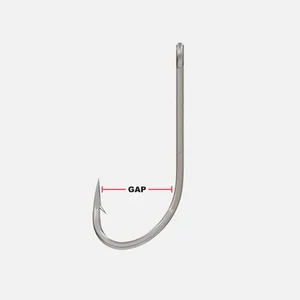
The hook gap, which is the space between the hook point and the shank, is a crucial factor for anglers when choosing the right hook for their fishing needs. Understanding the different hook gap variations and selecting the appropriate one can make a significant difference in overall fishing success.
Standard Hook Gap
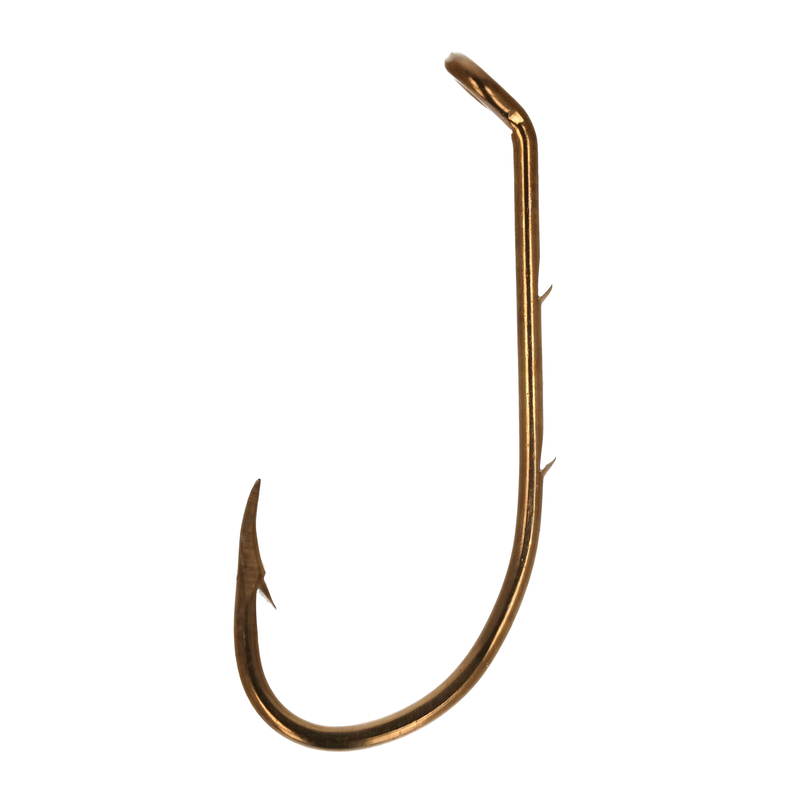
A standard hook gap is a great option for slender baits of all kinds, ranging from nightcrawlers and crickets to plastic worms.
Some standard gap hook options include:
080 Plain Shank Hook, 166 Pro-V Baitholder Hook, 218 Carlisle Hook
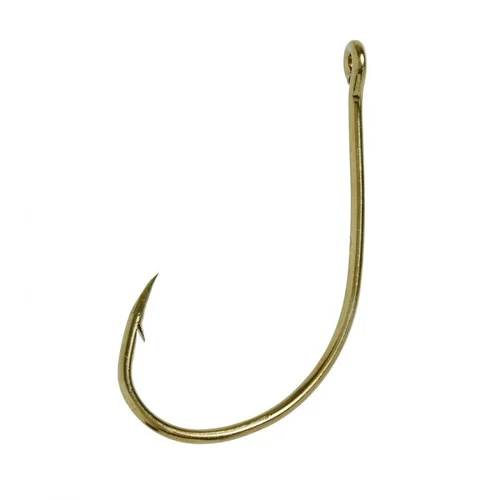
Wide Gap Hook
A wide gap hook is an excellent choice for bulkier live baits such as shiners, shrimp, and crawfish, as well as soft plastics like Senko-style worms and Fluke-style baits, to name a few. The added gap space provides plenty of bite area when larger baits collapse during a strike.
Some wide gap hook options include:
L042 Steelhead/Walleye Wide Gap Hook, Wide Gap Octopus Hook, L097BP Wide Gap Wacky Worm Hook.
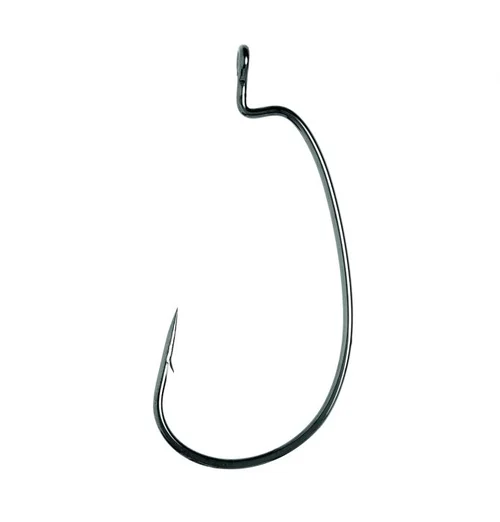
Extra-Wide Gap Hook
Often referred to as EWGs, these hooks work best with the bulkiest soft plastics, such as tube jigs, beaver-style baits, and certain creature baits. The large gap area provides all the bite space needed for today’s bulkier soft plastics.
Some extra-wide gap hook options include:
L7013 Extra Wide Gap Worm Hook, TK110 Extra Wide Gap Worm Hook, TK120 Magworm Hook
Conclusion
choosing the right hook gap is a vital factor in enhancing your fishing experience. Whether you are using live bait or soft plastics, selecting the right hook gap can increase your chances of a successful catch. We hope this blog helped you better understand hook gaps and how to select the right one. If you have any questions comment below we’re here to help!
For a deeper look at fish hook gaps check out this blog:
Fish Hooks: Round Bend vs Extra Wide Gap When and Why